Iris Attendance System for Children with Disabilities
To implement the provisions of the Administrative Measures for Provincial Supplementary Funds for Basic Rehabilitation Programs for Children with Disabilities in Jiangsu Province, and to ensure that children with disabilities receive basic rehabilitation assistance, an iris-based attendance management system was deployed across rehabilitation institutions.
Background
The provincial finance department allocated special subsidy funds for basic rehabilitation programs. Financial departments and Disabled Persons' Federations (DPF) at all levels needed accurate and scientific management methods to ensure that funds are earmarked for their designated purposes and that embezzlement, fraudulent claims, and arbitrary charges are strictly prohibited.
Requirements
- Standardized Attendance System: Build a municipal-level intelligent attendance system for children under the DPF, facilitating quick identification and enabling scientific attendance management
- Iris Terminal Deployment: Install iris attendance terminals in each rehabilitation institution, matching terminal quantities to the number of children served
- Permission-Based Management: Assign different management permissions to different administrators to ensure data authenticity and reliability
- Data Backup: Back up all iris identity and attendance data to prevent loss from unexpected incidents
System Architecture
The system consists of:
- Hardware: Iris collection terminals and cloud servers
- Software: Iris Attendance Software for Children with Disabilities, Iris Collection Management Platform, Network Management Platform, and Database Management Platform
How It Works
The system collects children's iris information through on-site iris attendance software installed on local terminals at each rehabilitation institution. It links iris information with children's basic information, registers and stores the integrated data, and uploads it to the cloud. When children check in via iris recognition devices, their attendance time is recorded and uploaded. Relevant staff then conduct statistical analysis on attendance data.
Technology
The system centers on database storage technology:
- Early Stage: Collects children's iris information
- Middle Stage: Conducts centralized storage and processing of basic information data
- Later Stage: Performs identity verification and presents statistical analysis of attendance data
Based on the Internet, the system uses a public cloud as the server end to uniformly store, manage, and analyze registration information and attendance data from client terminals at various attendance points, enabling off-site, multi-location, remote, and hierarchical attendance management.
Product Used
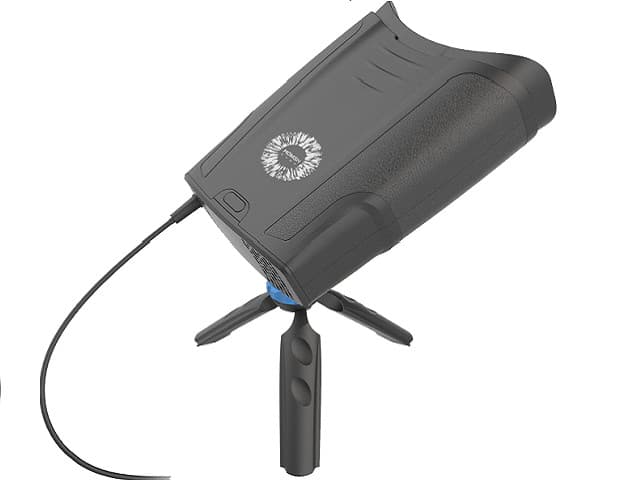
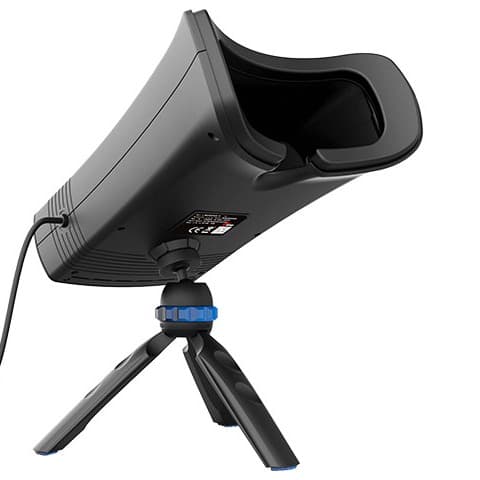
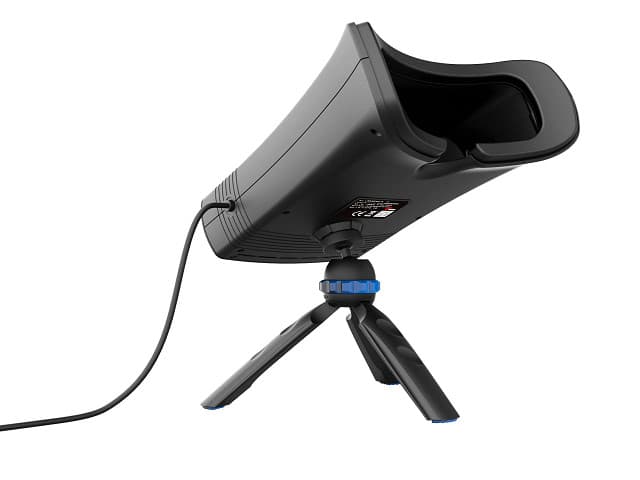
The C20, built on an iris recognition chip, provides users with an easy-to-use binocular passive iris collection and recognition device. It has realized comprehensive management and recording of guardians' and children with disabilities' information, and effectively managed the attendance and medical services, achieving convenient, fast, and accurate identity verification.
Results
The system enables accurate tracking of rehabilitation program participation, ensuring proper allocation of provincial subsidy funds. Administrators can remotely access attendance information and generate reports, while rehabilitation institutions cannot delete or modify attendance data, maintaining data integrity for audit purposes.