When Machines Grow "Eyes": Bionic Lenses with Vision Surpassing Humans
Recent advances in bionic lens technology have produced soft, flexible lenses that can resolve details far beyond the limits of human vision. These developments have profound implications for the future of iris recognition technology.
The Technology
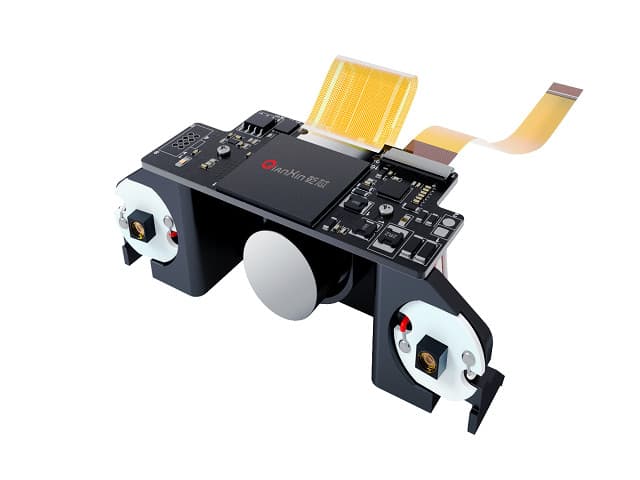
The bionic lens consists of:
- Center: A flexible silicone polymer lens for basic imaging
- Outer ring: A photoresponsive hydrogel ring embedded with graphene/graphene oxide, equivalent to artificial "ciliary muscles"
- Overall: Fully soft and bendable, without rigid lenses, motors, or screws
How It Works
- The outer hydrogel is doped with graphene, which has strong light absorption and can convert light energy into thermal energy
- When light shines on it, the local temperature rises and the hydrogel undergoes reversible expansion or contraction
- The expansion/contraction squeezes the lens, equivalent to "light-driven muscles" that exert mechanical effects on the silicone lens
- The curvature changes, and the focal length changes accordingly, achieving "wireless zoom"
Capabilities Beyond Human Vision
- Resolving power exceeds the physiological limit of the human eye
- Can resolve details on the order of about 4 micrometers
- Clearly images tiny hairs and microstructures on an ant's leg
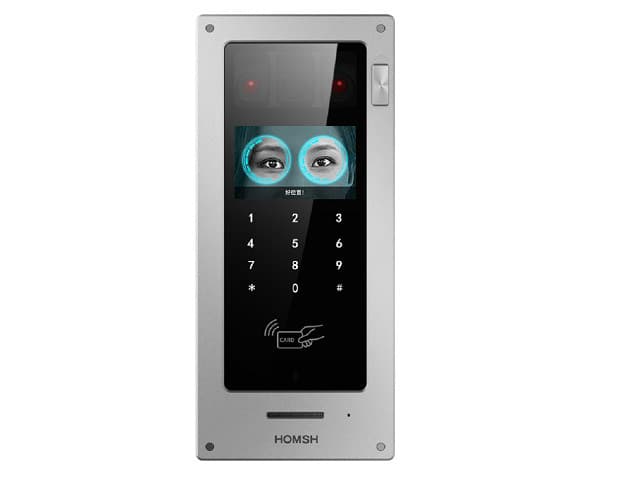
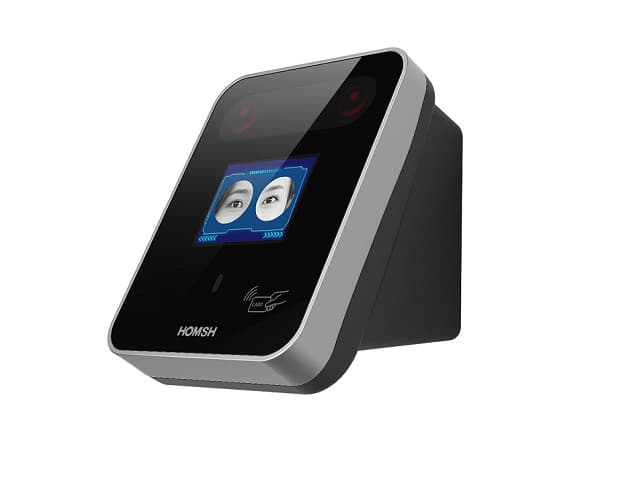
Implications for Iris Recognition
1. A Better Front-End Collector
Bionic lenses could provide cleaner images for iris recognition, with better texture clarity, controllable reflection, and stable collection in uncooperative states.
2. Moving from Fixed to Flexible Terminals
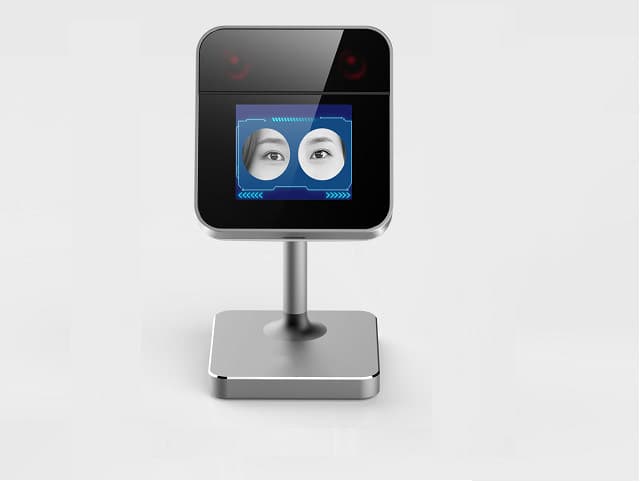
Soft lenses could be embedded in door frames, walls, robot faces, wearable devices, and curved structures, moving iris recognition from fixed terminals to mobile and flexible deployments.
3. Improving Recognition Robustness
Adaptive zoom and light-driven optical path adjustment could address common challenges like outdoor glare, glasses reflection, and user movement, improving recognition success rate and user experience across diverse environments.