From Single-Modal to Multi-Modal: Building a Unified Biometric Recognition Framework
Homsh Technology has developed a unified biometric recognition framework that integrates multiple biometric modalities including iris, face, fingerprint, and palm vein recognition into a single cohesive architecture.
The Evolution of Biometric Security
Traditional biometric systems rely on a single modality, creating vulnerabilities:
- Face recognition alone is susceptible to deepfakes and spoofing
- Fingerprint systems can be fooled by synthetic prints
- Single-modal systems have higher false rejection rates
The Multi-Modal Advantage
By combining multiple biometric modalities, the unified framework achieves:
- Higher Security: Multiple layers of verification make spoofing exponentially more difficult
- Better Accuracy: Fusion algorithms combine the strengths of each modality to reduce both false acceptance and false rejection rates
- Greater Flexibility: Users can authenticate using whichever modality is most convenient for their situation
- Universal Accessibility: Accommodates users who may have difficulty with a particular biometric modality
Technical Architecture
The framework features:
- A unified enrollment system that captures and stores multiple biometric templates
- Intelligent fusion algorithms that weight different modalities based on environmental conditions
- A common API layer that simplifies integration for system developers
- Scalable backend infrastructure supporting millions of enrolled users
Products Supporting Multi-Modal Recognition
Homsh's latest products embody this multi-modal philosophy:
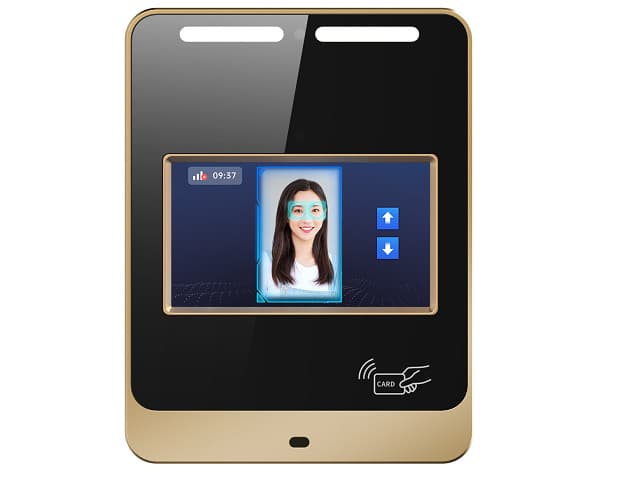
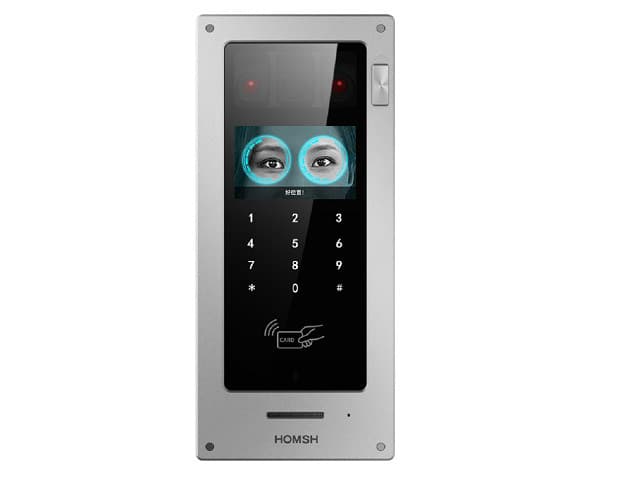
- D50/D60 Series: Iris + Face + Fingerprint + NFC in a single terminal
- ST-E Series: 7-inch terminals with iris and face dual recognition
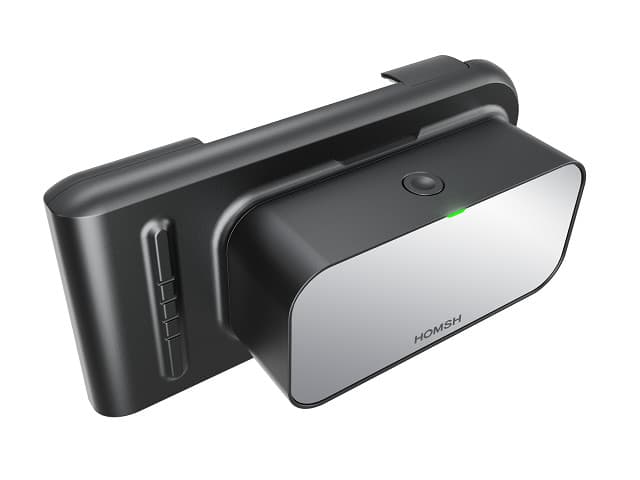
- C-Series Modules: Embeddable modules for OEM integration
The unified framework represents a paradigm shift in biometric security, moving from isolated single-modal systems to integrated multi-modal platforms that deliver superior security and user experience.