Beware of "Digital Face Masks"
A recent high-profile arrest by cyber police of a criminal gang using AI face-swapping technology to bypass security systems has sent shockwaves through the biometric security industry. This case serves as a stark warning about the limitations of face recognition and the urgent need for more robust identity verification.
A Verification Line That Can Be Broken with a Single "Mask"
The criminals used sophisticated AI-powered face-swapping technology to create convincing digital face masks in real-time. These masks were able to fool multiple face recognition systems, enabling unauthorized access to financial accounts, corporate systems, and personal data.
The Gray Industry Turns AI Face-Swapping into a "Criminal Tool"
Investigations revealed a well-organized gray industry chain where AI face-swapping tools were developed, sold, and used for criminal purposes. The technology has become increasingly accessible, lowering the barrier for identity fraud.
The Shortcomings of Face Recognition vs. the "Natural Advantages" of Iris Recognition
This case highlights fundamental weaknesses in face recognition:
- 2D facial images can be replicated by AI
- Even 3D liveness detection can be fooled by advanced deepfakes
- Passive collection means users may not even know when their face data is captured
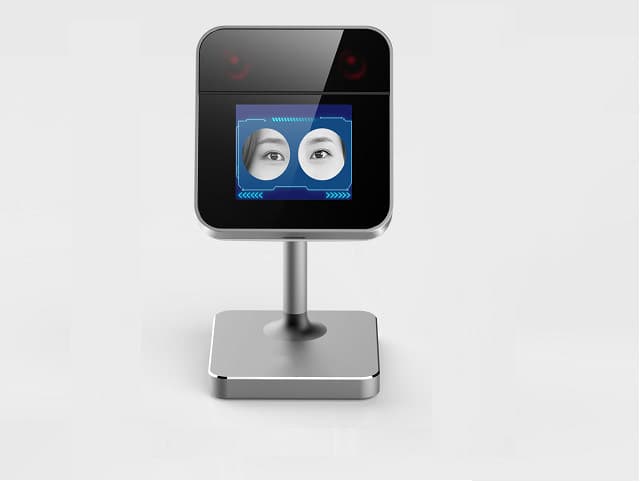
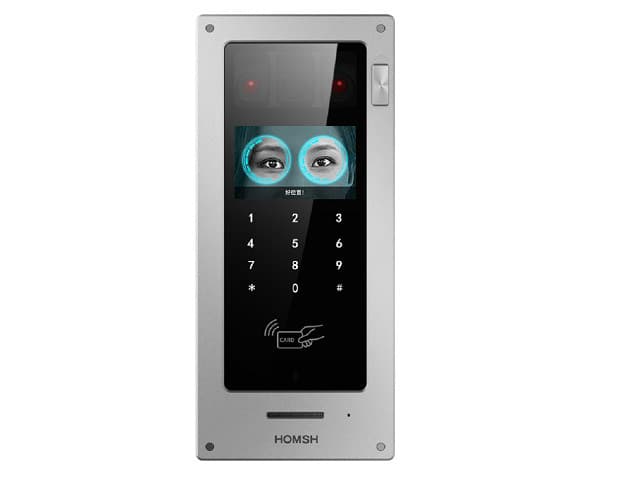
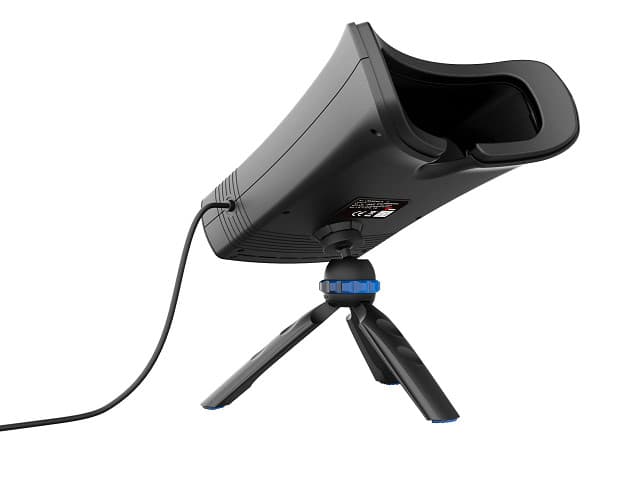
Iris recognition offers natural advantages:
- The complex 3D structure of the iris cannot be replicated by current AI
- Iris patterns require active, close-range cooperation to capture
- Built-in liveness detection prevents the use of photos or videos
Recommendations
- Platform Side: Use iris recognition to make up for the shortcomings of verification
- Enterprise Side: Upgrade to iris recognition to guard core information
- Individual Side: Guard against privacy leakage and stay away from face traps
- Technology Side: Adhere to legal bottom lines and let technology benefit society